Franken Fernsehen
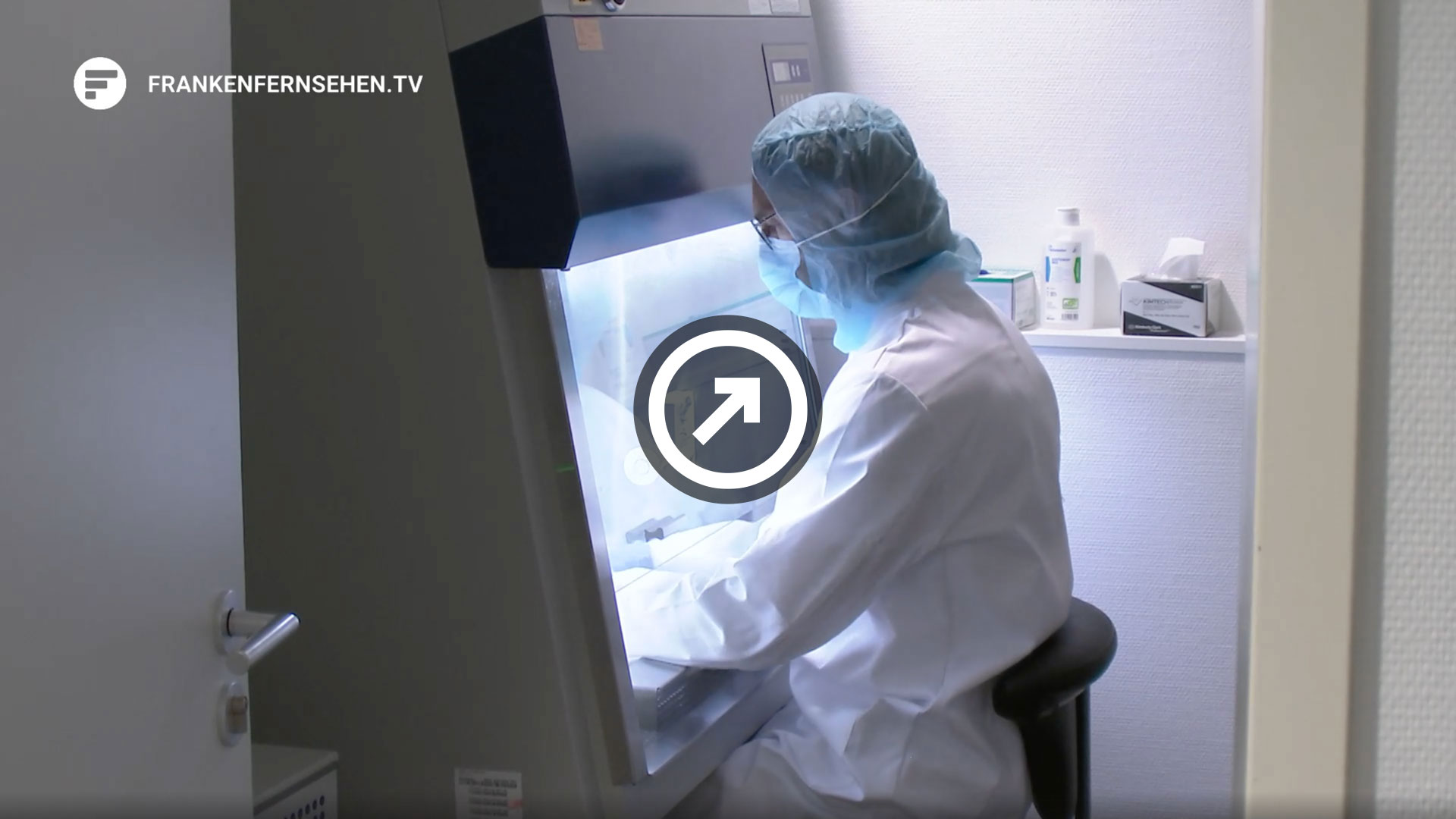
Submitting a stool sample, receiving capsules in return:
Medication made from your own gut microbiota
German-language TV report
Tue, 28 Oct 2025, 17:39
Duration: 02:55
Nürnberger Nachrichten
27 July 2025
What keeps our gut healthy?
The gut has roommates. Who are they, and how can we treat them better? Today is World Microbiome Day. Nuremberg physician Dr. Johannes Sturm explains what microbiome analyses can reveal.
Has the microbiome become a trending topic? Many providers advertise at-home stool tests. How useful are they – and what can the results actually tell us?
At first glance, these tests look promising: you send a stool sample to a laboratory and receive lists of microbes and dietary recommendations. But their significance is limited. The microbiome changes constantly – depending on diet, stress, or sleep. And what exactly constitutes a “healthy” microbiome cannot be defined scientifically. In certain cases, such an analysis can be helpful – but it belongs in expert hands.
“You are what you eat,” the saying goes. Can I influence who lives in my gut through my diet?
Yes – every single day. Specific gut bacteria live on what we eat. Dietary fiber from plant-based foods provides energy, producing short-chain fatty acids that help protect the gut barrier. Sugar and highly processed foods, on the other hand, promote bacteria that favor inflammation. Fat and protein also play a role: unsaturated fatty acids and plant-based proteins have beneficial effects. You can support your microbiome – but not with isolated superfoods; what matters is the overall direction of your daily habits.
How can the gut microbiota be strengthened and stabilized in the long term?
A stable gut microbiota does not develop overnight. Balanced nutrition, physical activity, sufficient sleep, and as little stress as possible are key. These factors promote microbial diversity and support equilibrium. Anyone wanting to support their microbiome needs patience and continuity – not quick fixes.
Stress and antibiotics can disrupt the gut microbiota. What helps?
After taking antibiotics, it can take months for the microbiome to recover—a fiber-rich diet, good sleep, and a stable daily routine help. Targeted probiotics can also be supportive.
In my practice, I offer the option to preserve a patient’s healthy gut microbiota in advance, before it may be affected by treatment or illness. If needed, it can be re-administered later. The procedure is called Kryobiom.
Those interested can learn more at my free lecture on 29 July 2025 at 6:30 pm at Haus Eckstein. Registration: 0911 / 93 75 58 38.